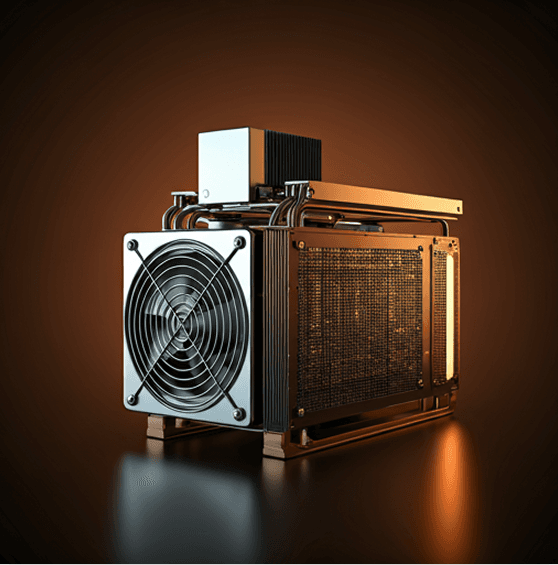
Cooling guide
ASIC Miner Cooling Guide: How to Keep Your Bitcoin Mining Machine Running Efficiently
Learn the best cooling methods for ASIC miners, prevent overheating, improve mining performance, and extend the lifespan of your Bitcoin mining machine.
One of the biggest challenges in cryptocurrency mining is managing the heat generated by ASIC miners. These powerful Bitcoin mining machines operate continuously, solving complex mathematical calculations 24 hours a day. As a result, they generate a significant amount of heat that must be managed effectively to maintain stable performance and maximize profitability.
Whether you're operating a single miner at home or managing a commercial mining farm, proper ASIC miner cooling is essential. Without an effective cooling system, excessive heat can reduce hashrate, increase electricity consumption, shorten hardware lifespan, and even lead to costly repairs.
At CryptoMineHub, powered by Rana Global Traders, we have more than three years of experience in cryptocurrency mining and have been actively involved in the buying, selling, and repair of ASIC miners since February 2025. Through this guide, we'll explain how to keep your mining equipment cool, improve efficiency, and protect your investment for the long term.
Why it matters
Why ASIC Miner Cooling Is Important
Every ASIC miner converts electrical energy into computational power. During this process, a large amount of heat is generated by components such as the hash boards, control board, power supply, and cooling fans. If this heat is not removed efficiently, internal temperatures rise quickly, affecting the miner's stability and overall performance.
Proper cooling helps you:
- Maintain consistent hashrate
- Improve energy efficiency
- Reduce hardware failures
- Extend equipment lifespan
- Lower maintenance costs
- Improve mining profitability
- Prevent unexpected shutdowns
An efficient cooling setup is one of the simplest ways to increase the long-term performance of your mining operation.
Operating temperatures
How Hot Do ASIC Miners Get?
Most Bitcoin mining machines generate significant heat during normal operation. While the exact operating temperature depends on the model, ambient room conditions, and workload, miners are generally designed to run within a manufacturer-specified temperature range.
However, when airflow is restricted or the surrounding environment becomes too hot, internal temperatures can rise rapidly.
Common causes include:
Monitoring temperatures regularly helps identify problems before they affect mining performance.
Warning signs
Common Signs of ASIC Miner Overheating
Overheating rarely happens without warning. Your mining machine often shows clear signs before performance begins to decline.
Reduced Hashrate
A sudden drop in hashrate may indicate that the miner is automatically reducing performance to protect itself from excessive heat.
Frequent Restarts
If your miner unexpectedly reboots multiple times during operation, overheating could be one of the primary causes.
High Fan Speed
ASIC miners automatically increase fan speed as temperatures rise. If your fans constantly operate at maximum speed, inspect your cooling setup.
Temperature Warnings
Many mining management dashboards display temperature alerts when components exceed safe operating limits. Never ignore these warnings.
Hardware Errors
Persistent overheating can damage hash boards, control boards, and power supplies, resulting in hardware errors and reduced mining performance.
Root causes
What Causes ASIC Miners to Overheat?
Understanding why miners overheat helps prevent expensive repairs and unnecessary downtime.
Poor Airflow
Fresh air must continuously enter the miner while hot air exits efficiently. Blocked intake vents or poor room ventilation trap heat around the machine, causing temperatures to rise.
Dust Build-Up
Dust accumulates on cooling fans, heat sinks, hash boards, and air filters. This reduces airflow and makes it harder for the miner to dissipate heat. Regular cleaning significantly improves cooling performance.
High Ambient Temperature
ASIC miners perform best in cool environments. Operating miners inside hot rooms or enclosed spaces makes it difficult for cooling fans to remove heat effectively.
Faulty Cooling Fans
If a fan becomes damaged or stops working, internal temperatures can rise quickly. Signs include unusual noise, reduced airflow, fan speed errors, and temperature spikes.
Poor Equipment Placement
Without enough space for airflow, hot air circulates between machines, cooling becomes less effective, and equipment temperatures increase. Always leave sufficient clearance around each mining machine.
Airflow design
Understanding ASIC Miner Airflow
Most Bitcoin mining machines use a front-to-back airflow design. Cool air enters through the front intake fans, passes over the hash boards, and exits as hot air from the rear.
Front-to-back airflow
How the cooling system works:
- 1Cool air enters through the intake fans.
- 2Air passes across the hash boards.
- 3Heat is absorbed from internal components.
- 4Hot air exits through the rear exhaust fans.
Maintaining unobstructed airflow is essential for stable mining performance. Never block the intake or exhaust vents, and ensure there is enough space around each machine for proper ventilation.
Why Good Cooling Improves Mining Profitability
Many miners focus only on hashrate, but cooling has a direct impact on profitability. Proper ASIC miner cooling helps:
- Prevent thermal throttling
- Maintain stable hashrates
- Reduce electricity waste
- Extend hardware lifespan
- Lower repair costs
- Improve return on investment (ROI)
Even small improvements in cooling efficiency can lead to better long-term mining performance.
Cooling systems
Best ASIC Miner Cooling Systems & Cooling Methods
Keeping your ASIC miner cool is one of the most effective ways to improve mining efficiency and protect your investment. The best ASIC miner cooling system depends on your mining setup, available space, budget, and the number of machines you operate.
The most common cooling methods include:
1. Air Cooling (Most Popular)
2. Exhaust Ventilation
3. Air Conditioning
4. Evaporative Cooling
5. Immersion Cooling
By operation size
Choosing the Right Cooling Method
Home Mining Setup
Recommended cooling methods:
- Air Cooling
- Room Ventilation
- Exhaust Fans
- Optional Air Conditioning
Generally sufficient for one or a few mining machines.
Small Mining Farm
Recommended cooling methods:
- High-Capacity Exhaust Fans
- Industrial Ventilation
- Air Conditioning (if needed)
- Temperature Monitoring
Proper airflow planning becomes increasingly important as you add more machines.
Large Mining Farm
Commercial operations often combine:
- Industrial Exhaust Systems
- Climate Control
- Airflow Management
- Immersion Cooling
- Automated Temperature Monitoring
Advanced cooling systems are essential for maintaining stable performance at scale.
How to Improve Airflow Around Your ASIC Miner
Even the best cooling equipment won't perform well if airflow is restricted. Follow these best practices:
How to Reduce ASIC Miner Noise
Cooling fans can make Bitcoin mining machines quite loud, especially under heavy workloads. To reduce noise:
- Place miners in a dedicated mining room.
- Use insulated ducting to direct hot air outside.
- Install acoustic panels where appropriate.
- Replace worn or damaged fans promptly.
- Maintain proper cooling to prevent fans from constantly running at maximum speed.
Never reduce fan speed below the manufacturer's recommendations, as this can increase the risk of overheating.
Common Cooling Mistakes to Avoid
Many mining problems can be traced back to poor cooling practices.
- Placing miners in enclosed spaces with little ventilation.
- Allowing hot exhaust air to recirculate.
- Ignoring room temperature.
- Failing to clean dust from cooling fans.
- Blocking intake vents with nearby objects.
- Installing miners too close together.
- Delaying replacement of faulty cooling fans.
- Ignoring temperature alerts or abnormal fan speeds.
Preventing these issues can improve mining efficiency and reduce the likelihood of hardware failures.
Maintenance
Ideal ASIC Miner Temperature, Maintenance & Overheating Prevention
Installing a good cooling system is only the first step. To maximize the lifespan of your ASIC miner and maintain consistent mining performance, you also need to monitor temperatures, perform regular maintenance, and identify potential problems before they become expensive repairs.
What Is the Ideal Temperature for an ASIC Miner?
While the exact operating temperature varies by manufacturer and model, most modern ASIC miners are designed to perform best in a cool, well-ventilated environment. Pay attention to room temperature, airflow quality, exhaust air movement, dust levels, humidity, and fan performance.
How to Monitor ASIC Miner Temperature
Keep an eye on:
- Hash Board Temperature
- Chip Temperature
- Fan Speed
- Power Consumption
- Hashrate Stability
- Error Logs
If you notice sudden temperature increases or unexpected drops in hashrate, inspect your cooling system and airflow immediately.
Summer Cooling Tips
- Improve room ventilation.
- Use additional exhaust fans.
- Clean dust more frequently.
- Monitor temperatures regularly.
- Avoid direct sunlight.
- Ensure unrestricted airflow around each miner.
Winter Cooling Tips
Cooler temperatures generally improve mining performance, but proper airflow is still essential:
- Continue regular cleaning.
- Prevent moisture buildup.
- Avoid blocking ventilation.
- Maintain stable room airflow.
Daily
- Check hashrate
- Review temperature readings
- Verify fan operation
- Monitor error messages
Weekly
- Inspect cables
- Clean dust from air vents
- Check airflow around the miner
- Verify power connections
Monthly
- Deep clean cooling fans
- Inspect heat sinks
- Check fan bearings
- Review firmware version
- Test overall system stability
Every Few Months
- Inspect hash boards
- Examine the power supply
- Replace worn cooling fans if needed
- Schedule professional servicing
How to Prevent ASIC Miner Overheating
- Maintain proper airflow around every miner.
- Install adequate exhaust ventilation.
- Keep the mining area clean and dust-free.
- Monitor operating temperatures regularly.
- Replace damaged cooling fans immediately.
- Avoid placing miners too close together.
- Perform routine maintenance and inspections.
- Use quality electrical components and power supplies.
When Should You Repair an ASIC Miner?
Professional ASIC miner repair may be necessary if you experience:
- Persistent overheating
- Damaged hash boards
- Faulty control boards
- Power supply failures
- Continuous fan errors
- Significant hashrate reduction
- Frequent hardware error messages
Expert support
CryptoMineHub's ASIC Miner Repair & Maintenance Services
At CryptoMineHub, we understand the importance of keeping your mining equipment running efficiently. Our technical services include:
- ASIC Miner Diagnostics
- Hash Board Repair
- Control Board Repair
- Power Supply Testing
- Fan Replacement
- Thermal Maintenance
- Performance Optimization
- Preventive Maintenance
- Spare Parts Support
Whether you own a single Bitcoin mining machine or manage a large mining farm, our experienced technicians can help maintain reliable performance and reduce downtime.

Returns
Why Proper Cooling Improves ROI
Many miners underestimate the financial benefits of effective cooling and maintenance. A properly cooled and well-maintained ASIC miner offers:
Protecting your mining hardware is one of the best ways to maximize long-term profitability.
Long-term performance
Best Practices for Long-Term ASIC Miner Performance
To keep your mining equipment running at its best, follow these industry-recommended practices:
Maintain Proper Airflow
Ensure cool air enters the miner freely while hot air is exhausted efficiently. Avoid placing miners in enclosed or poorly ventilated spaces.
Monitor Temperatures Regularly
Use your miner's dashboard to monitor temperatures, fan speeds, hashrate, and hardware status. Early detection of issues can prevent costly repairs.
Keep Your Miner Clean
Dust accumulation restricts airflow and reduces cooling efficiency. Clean fans, heat sinks, and air filters regularly using appropriate tools.
Replace Worn Cooling Fans
Cooling fans operate continuously and naturally wear out over time. Replace noisy or underperforming fans promptly to maintain effective cooling.
Update Firmware
Install official firmware updates from your miner's manufacturer to improve stability, performance, and security.
Schedule Preventive Maintenance
Routine inspections help identify worn components before they fail, reducing downtime and extending equipment life.
FAQ
Frequently Asked Questions
Find answers to common questions about ASIC miner cooling, overheating prevention, maintenance, and when to seek professional repair support.
- Why ASIC miners generate heat
- Best cooling methods for miners
- Preventing overheating damage
- Cleaning and maintenance schedules
Still have questions? Our technicians can help you improve cooling performance and keep your mining equipment running efficiently.
ASIC miners perform trillions of calculations every second. This high computational workload generates significant heat, making an effective ASIC miner cooling system essential for stable operation.
Why Choose CryptoMineHub?
Powered by Rana Global Traders, CryptoMineHub has over three years of experience in cryptocurrency mining and has been actively involved in the buying, selling, and repair of ASIC miners since February 2025.
Final Thoughts
Effective cooling is not just about preventing overheating—it is a key factor in improving mining efficiency, reducing maintenance costs, and maximizing the lifespan of your ASIC miner.
Whether you're purchasing your first Bitcoin mining machine or managing a growing mining farm, CryptoMineHub is your trusted partner for genuine mining hardware, expert technical support, and professional repair services across India.